Overview
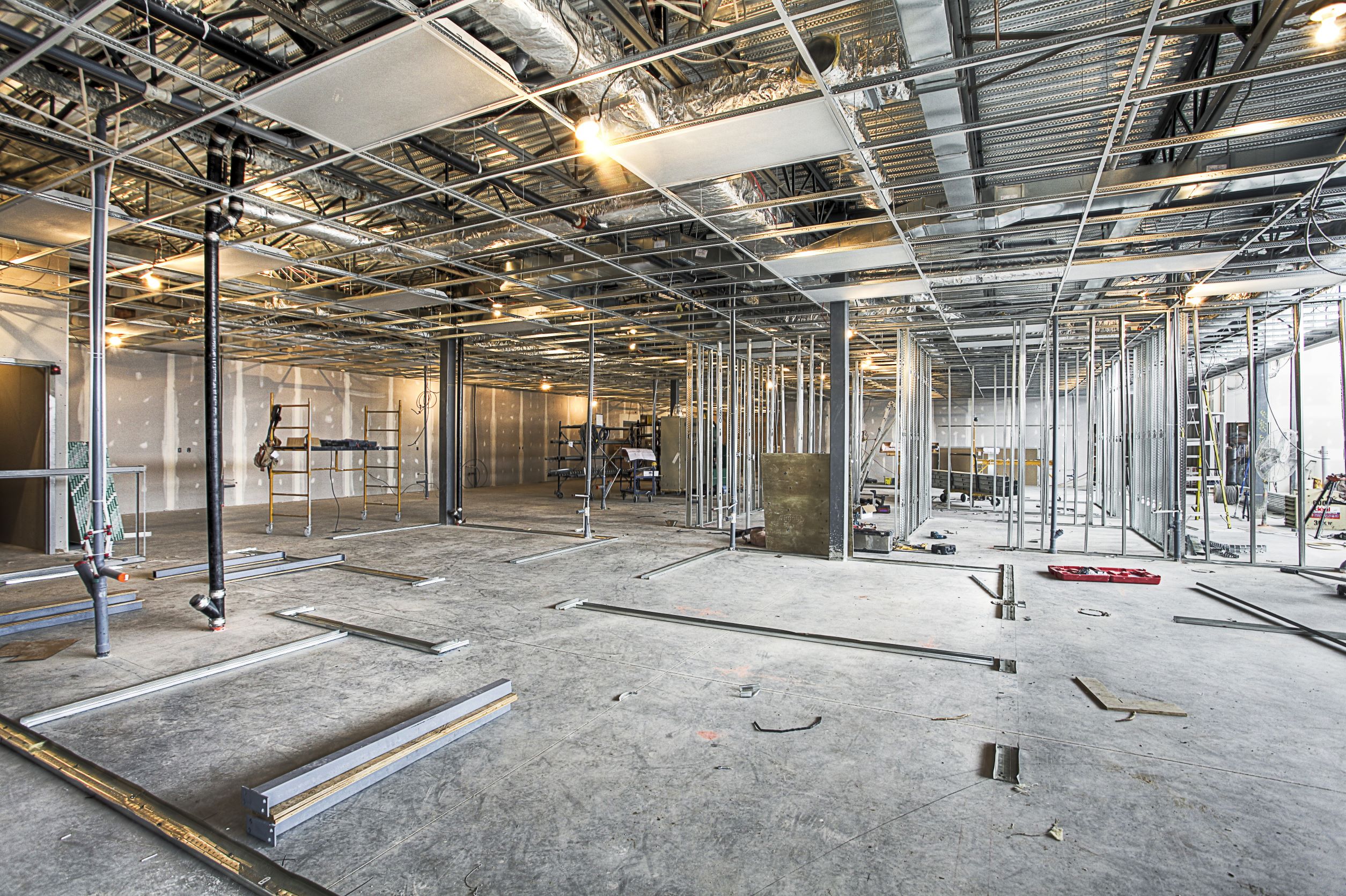
General Contractors of Grand Prairie delivers building renovation and repositioning across Grand Prairie and the surrounding Dallas-Fort Worth corridor for owners who need coordinated delivery across the full project. Renovation and repositioning delivery for owners who need aging buildings adapted for new tenants, new operations, or stronger market positioning. We plan the work around real project drivers such as access, procurement, municipal coordination, field sequencing, and turnover obligations so the job can move as one connected program.
That approach matters in North Texas because large commercial and industrial projects rarely fail on one visible scope. They lose momentum when site work, shell delivery, interior release, equipment planning, and owner decisions stop moving at the same pace. Our team keeps those work fronts aligned by treating building renovation and repositioning as part of the overall build strategy rather than a disconnected package.
Owners, developers, and operating teams use this service when they need a contractor who can structure early decisions, coordinate field activity, and keep the finish line clear. We support adaptive reuse, value-add repositioning, and occupied renovation programs with a process built for schedule discipline, direct communication, and practical turnover planning.
What Building Renovation and Repositioning Includes
Building Renovation and Repositioning is most effective when the general contractor keeps the service tied to the broader project objectives rather than letting it become a stand-alone scope. That means our field teams track the work against procurement, access, structural release, municipal interface needs, and final turnover expectations from the beginning.
We use that structure to protect owners from the usual coordination gaps that appear when one scope moves ahead without regard for the rest of the job.
- Existing-condition review tied to scope definition and sequencing.
- Interior, exterior, and site updates coordinated around active conditions.
- Phasing plans built for occupancy, leasing, or business continuity goals.
- Finish and systems upgrades tied to new market expectations.
- Field oversight focused on issue resolution and schedule clarity.
- Turnover paths designed for phased release and renewed occupancy.
Our Building Renovation and Repositioning Process
Building Renovation and Repositioning needs a deliberate handoff from planning into the field. We follow a process that keeps owner decisions, procurement timing, and active jobsite coordination connected so the schedule remains usable once work starts.
That is how we keep the project readable for developers, property owners, and operations teams while crews are moving across multiple work fronts.
Review the existing asset and define the actual drivers for reinvestment.
Review the existing asset and define the actual drivers for reinvestment. starts with direct review of the project constraints that can actually affect the build path. For building renovation and repositioning, that usually includes scope boundaries, access limits, procurement timing, and any owner obligations that need to stay visible from the field all the way through turnover.
Our team keeps those issues tied to the same communication rhythm as site work, structure, and support spaces so the project does not drift into isolated decision-making.
Coordinate demolition, upgrades, and support work around occupied or active conditions.
Coordinate demolition, upgrades, and support work around occupied or active conditions. starts with direct review of the project constraints that can actually affect the build path. For building renovation and repositioning, that usually includes scope boundaries, access limits, procurement timing, and any owner obligations that need to stay visible from the field all the way through turnover.
That keeps field coordination practical and gives owners a clearer picture of what needs to happen next for the work to stay on pace.
Track hidden conditions and owner decisions quickly so the work remains decisive.
Track hidden conditions and owner decisions quickly so the work remains decisive. starts with direct review of the project constraints that can actually affect the build path. For building renovation and repositioning, that usually includes scope boundaries, access limits, procurement timing, and any owner obligations that need to stay visible from the field all the way through turnover.
Our team keeps those issues tied to the same communication rhythm as site work, structure, and support spaces so the project does not drift into isolated decision-making.
Sequence finish work to protect completed areas and move spaces into use sooner.
Sequence finish work to protect completed areas and move spaces into use sooner. starts with direct review of the project constraints that can actually affect the build path. For building renovation and repositioning, that usually includes scope boundaries, access limits, procurement timing, and any owner obligations that need to stay visible from the field all the way through turnover.
That keeps field coordination practical and gives owners a clearer picture of what needs to happen next for the work to stay on pace.
Support turnover with the documentation and punch control repositioned assets demand.
Support turnover with the documentation and punch control repositioned assets demand. starts with direct review of the project constraints that can actually affect the build path. For building renovation and repositioning, that usually includes scope boundaries, access limits, procurement timing, and any owner obligations that need to stay visible from the field all the way through turnover.
Our team keeps those issues tied to the same communication rhythm as site work, structure, and support spaces so the project does not drift into isolated decision-making.
Where Building Renovation and Repositioning Fits Best
Building Renovation and Repositioning supports a wide range of commercial and industrial project types, but the work becomes most valuable when the delivery approach reflects the needs of the facility, the site, and the owner. We commonly apply this service to office repositioning, retail refreshes, industrial renovations, and multi-tenant upgrades across the Grand Prairie and DFW market.
Each application below calls for different sequencing priorities, but the underlying advantage is the same: one accountable contractor keeping the moving parts coordinated.
office repositioning
Building Renovation and Repositioning is often selected for office repositioning because these projects need a general contractor who can keep site conditions, building scope, and owner priorities tied together. We coordinate field activity around the actual performance goals of the asset rather than treating the work like a generic building package.
In Grand Prairie and nearby DFW markets, office repositioning projects also need practical sequencing around access, inspections, utilities, and move-in expectations. Our team uses one communication rhythm for those issues so decisions remain clear when the schedule tightens.
That keeps office repositioning work buyer-facing, predictable, and easier to hand over when the owner is balancing leasing, operations, or funding milestones at the same time.
retail refreshes
Building Renovation and Repositioning is often selected for retail refreshes because these projects need a general contractor who can keep site conditions, building scope, and owner priorities tied together. We coordinate field activity around the actual performance goals of the asset rather than treating the work like a generic building package.
In Grand Prairie and nearby DFW markets, retail refreshes projects also need practical sequencing around access, inspections, utilities, and move-in expectations. Our team uses one communication rhythm for those issues so decisions remain clear when the schedule tightens.
That allows retail refreshes teams to move from planning into execution with fewer handoff gaps, fewer late revisions, and stronger control over the final turnover path.
industrial renovations
Building Renovation and Repositioning is often selected for industrial renovations because these projects need a general contractor who can keep site conditions, building scope, and owner priorities tied together. We coordinate field activity around the actual performance goals of the asset rather than treating the work like a generic building package.
In Grand Prairie and nearby DFW markets, industrial renovations projects also need practical sequencing around access, inspections, utilities, and move-in expectations. Our team uses one communication rhythm for those issues so decisions remain clear when the schedule tightens.
That keeps industrial renovations work buyer-facing, predictable, and easier to hand over when the owner is balancing leasing, operations, or funding milestones at the same time.
multi-tenant upgrades
Building Renovation and Repositioning is often selected for multi-tenant upgrades because these projects need a general contractor who can keep site conditions, building scope, and owner priorities tied together. We coordinate field activity around the actual performance goals of the asset rather than treating the work like a generic building package.
In Grand Prairie and nearby DFW markets, multi-tenant upgrades projects also need practical sequencing around access, inspections, utilities, and move-in expectations. Our team uses one communication rhythm for those issues so decisions remain clear when the schedule tightens.
That allows multi-tenant upgrades teams to move from planning into execution with fewer handoff gaps, fewer late revisions, and stronger control over the final turnover path.
Why Owners Use Building Renovation and Repositioning
Building Renovation and Repositioning becomes more dependable when the general contractor keeps the field plan anchored to owner priorities instead of chasing isolated package milestones. Our delivery model stays focused on asset improvement, phased occupancy, clarity on hidden conditions, and market readiness while still protecting civil readiness, structure, enclosure, and interior sequencing.
We also keep project communication practical. Owners need to know what decision is needed, what constraint is emerging, and what action protects the schedule. That is more useful than broad progress language that does not connect to procurement, access, or turnover.
For regional DFW work, that discipline reduces the friction that usually appears between active sites, municipal interfaces, equipment assumptions, and handoff expectations. The value is clarity. The schedule stays more coherent because the work is managed as one coordinated build path.
- Coordination built around asset improvement, phased occupancy, clarity on hidden conditions, and market readiness instead of trade silos.
- Field planning that ties adaptive reuse, value-add repositioning, and occupied renovation programs into the same project schedule.
- Direct communication when procurement, access, or inspection issues need owner action.
- Turnover support shaped for active operations, leasing, or startup requirements.
DFW Service Area Coverage
General Contractors of Grand Prairie coordinates building renovation and repositioning across Grand Prairie, Arlington, Irving, Dallas, Fort Worth, and Mansfield and other nearby commercial and industrial markets surrounding Grand Prairie. We support owner-user projects, investor-led developments, expansion programs, and repositioning work that needs dependable field coordination within the larger Dallas-Fort Worth logistics and growth corridor.
That regional coverage matters because many projects involve off-site approvals, vendor travel, shared labor pools, or phased work across more than one property. Our team plans for those realities from the start instead of treating each site as if it exists in isolation.
Frequently Asked Questions
What does building renovation and repositioning include on a commercial or industrial project?
Building renovation and repositioning includes the planning, field coordination, and turnover work needed to deliver that scope as part of a larger project. We align the site package, structural path, procurement pacing, and owner decision points so the work can move without the disconnects that often appear when scopes are treated separately.
That is especially important in DFW markets where access, weather, inspections, and active operations can shift the field sequence quickly. The goal is to keep the service tied to the broader build strategy from start to finish.
When should building renovation and repositioning be defined during preconstruction?
It should be defined as early as possible, while scope assumptions, sequencing logic, and procurement options can still be adjusted without field disruption. Early alignment gives owners a clearer path on access, long-lead items, constructability, and turnover priorities.
Waiting too long often forces the team to solve those issues under schedule pressure, which makes changes slower and more expensive.
How do you coordinate building renovation and repositioning around active operations or phased occupancy?
We map active operations, restricted areas, temporary conditions, and release milestones before the field plan hardens. That lets the project team structure work around ongoing business use, tenant commitments, or startup schedules without pretending the site is completely empty.
The schedule then reflects access windows, protection measures, and handoff dates that support real operational use.
What usually affects schedule certainty for building renovation and repositioning in North Texas?
Schedule certainty is usually influenced by procurement timing, municipal review, utility readiness, access conditions, and how well related scopes are sequenced. In North Texas, weather, long haul deliveries, and overlapping work fronts can intensify those issues if they are not managed early.
We keep those items visible through direct project reporting and field issue tracking so the team can act before the problem becomes part of the critical path.
How does a general contractor add value during building renovation and repositioning?
The general contractor adds value by tying design intent, field sequencing, procurement, coordination, and turnover into one accountable workflow. That is what keeps the owner from managing isolated problems across separate trade conversations.
For building renovation and repositioning, that means decisions happen with the full project picture in mind, which produces a steadier schedule and a more reliable handoff.