Market overview
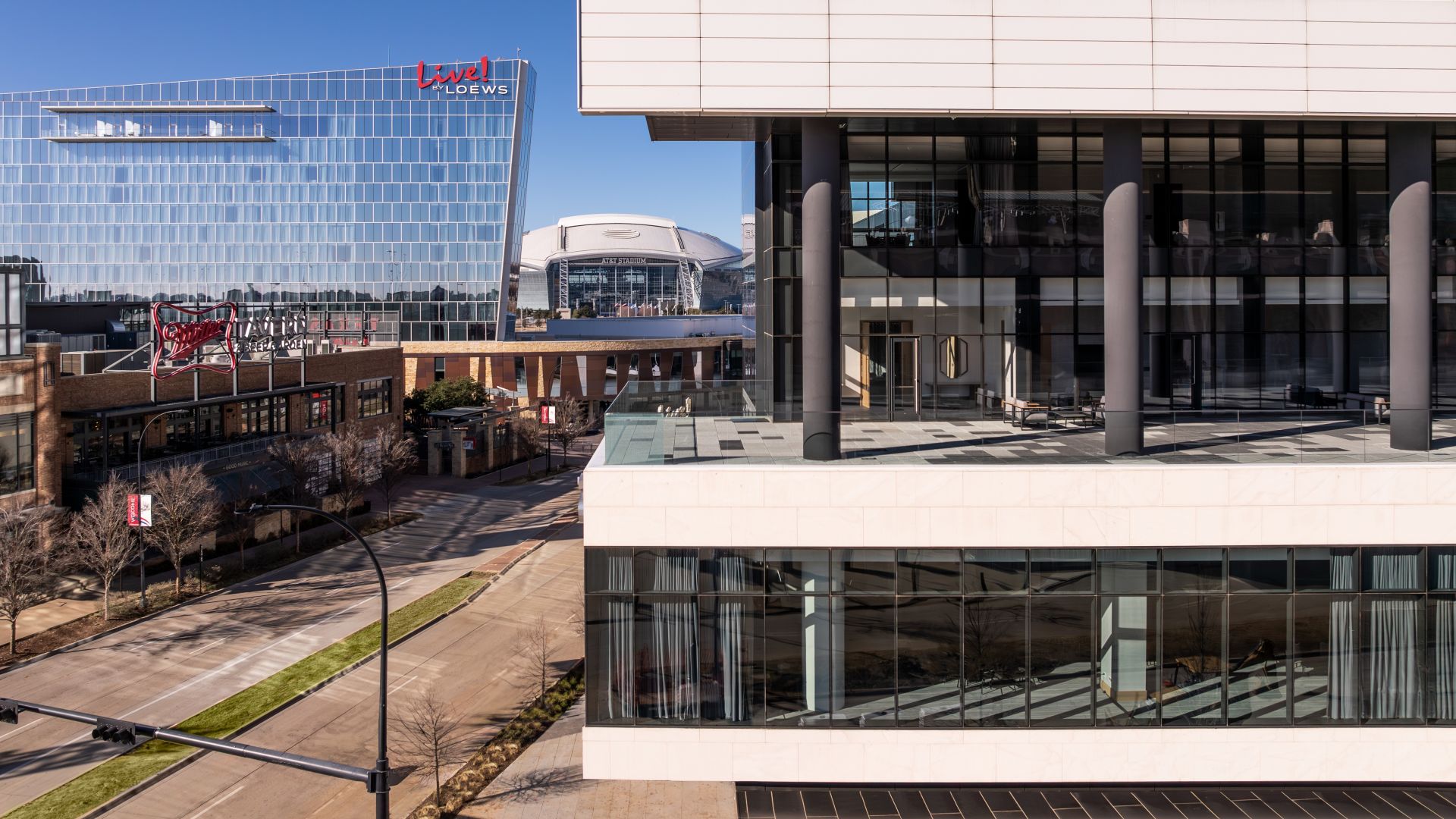
General Contractors of Grand Prairie supports commercial and industrial construction in Arlington, Texas with a delivery model built around real site conditions, owner priorities, and turnover obligations. Arlington combines entertainment-driven commercial demand with established industrial and distribution corridors. That makes schedule discipline and direct field coordination especially important when a project needs civil work, shell progress, support-space build-out, and final readiness to move together.
Arlington projects often depend on movement through Interstate Thirty, State Highway Three Sixty, and Interstate Twenty as well as clear planning around north Arlington, south Arlington, and east Arlington. We use that local context to shape how access, staging, procurement, and inspections are managed so the work stays practical for owners, design teams, and field crews.
Whether the assignment involves a ground-up industrial site, a commercial repositioning effort, or a phased addition to an active property, our team keeps the project tied to one accountable build strategy. That is how owners gain clearer decisions, steadier schedules, and a cleaner handoff across the broader DFW market.
Commercial and Industrial Work We Coordinate in Arlington
Arlington supports several property types and delivery conditions, but the work is most successful when the contractor understands how the market functions day to day. We regularly structure projects around commercial redevelopments, warehouse support buildings, retail centers, and office interiors and the field constraints that come with them.
That matters because every facility type carries a different mix of access, turnover, utility, and finish expectations even when the owner goals appear similar on paper.
commercial redevelopments
commercial redevelopments in Arlington usually require a general contractor who can align site conditions, building scope, and owner priorities around one coherent schedule. We coordinate the work so crews, vendors, and owners are solving the same set of milestones rather than pushing separate agendas.
That keeps the project easier to manage when schedule pressure increases or field conditions shift.
warehouse support buildings
warehouse support buildings in Arlington usually require a general contractor who can align site conditions, building scope, and owner priorities around one coherent schedule. We coordinate the work so crews, vendors, and owners are solving the same set of milestones rather than pushing separate agendas.
That keeps the project easier to manage when schedule pressure increases or field conditions shift.
retail centers
retail centers in Arlington usually require a general contractor who can align site conditions, building scope, and owner priorities around one coherent schedule. We coordinate the work so crews, vendors, and owners are solving the same set of milestones rather than pushing separate agendas.
That keeps the project easier to manage when schedule pressure increases or field conditions shift.
office interiors
office interiors in Arlington usually require a general contractor who can align site conditions, building scope, and owner priorities around one coherent schedule. We coordinate the work so crews, vendors, and owners are solving the same set of milestones rather than pushing separate agendas.
That keeps the project easier to manage when schedule pressure increases or field conditions shift.
What We Plan For In Arlington
Regional building work succeeds when the project plan reflects local access, circulation, and coordination conditions from the start. In Arlington, we pay special attention to public access, traffic management, shared parking, and phased occupancy because those items can change how crews move, how inspections land, and how quickly turnover can happen.
Instead of reacting late, we keep those variables active in preconstruction, procurement, and field reporting.
public access
Public access shapes the delivery path in Arlington because it affects the relationship between site work, shell progress, and final occupancy. We account for that issue early so it does not surface as avoidable field friction later.
That gives owners a more dependable schedule and a clearer understanding of what must happen before the next milestone can move.
traffic management
Traffic management shapes the delivery path in Arlington because it affects the relationship between site work, shell progress, and final occupancy. We account for that issue early so it does not surface as avoidable field friction later.
That gives owners a more dependable schedule and a clearer understanding of what must happen before the next milestone can move.
shared parking
Shared parking shapes the delivery path in Arlington because it affects the relationship between site work, shell progress, and final occupancy. We account for that issue early so it does not surface as avoidable field friction later.
That gives owners a more dependable schedule and a clearer understanding of what must happen before the next milestone can move.
phased occupancy
Phased occupancy shapes the delivery path in Arlington because it affects the relationship between site work, shell progress, and final occupancy. We account for that issue early so it does not surface as avoidable field friction later.
That gives owners a more dependable schedule and a clearer understanding of what must happen before the next milestone can move.
Who Uses Our General Contracting Support In Arlington
Arlington projects come from several different owner groups. We commonly support commercial developers, owner-occupied businesses, retail operators, and industrial investors who need a contractor capable of carrying planning, field coordination, and turnover inside one accountable process.
The exact scope changes by project, but the need for clarity does not.
commercial developers
commercial developers in Arlington usually need a contractor who can connect early decisions to field execution without losing pace. We structure the work around that expectation so the owner is not forced to manage separate scope conversations in the middle of construction.
owner-occupied businesses
owner-occupied businesses in Arlington usually need a contractor who can connect early decisions to field execution without losing pace. We structure the work around that expectation so the owner is not forced to manage separate scope conversations in the middle of construction.
retail operators
retail operators in Arlington usually need a contractor who can connect early decisions to field execution without losing pace. We structure the work around that expectation so the owner is not forced to manage separate scope conversations in the middle of construction.
industrial investors
industrial investors in Arlington usually need a contractor who can connect early decisions to field execution without losing pace. We structure the work around that expectation so the owner is not forced to manage separate scope conversations in the middle of construction.
Scheduling and Turnover In Arlington
Scheduling in Arlington works best when the team keeps access, procurement, and owner readiness visible at the same time. We do not isolate shell progress from site work, or turnover from the final weeks of field activity. Those decisions stay tied together so the project can move toward a usable finish instead of a technical completion that still leaves unresolved operational issues.
That is particularly important when the property remains active, the owner is coordinating equipment or furniture, or the project needs a phased release. We structure the turnover path early so everyone understands what ready actually means before the finish line arrives.
Nearby Markets Connected To Arlington
Arlington work often overlaps nearby DFW markets such as Grand Prairie, Mansfield, Euless, and Fort Worth. That regional linkage matters for procurement, labor access, municipal coordination, and phased project sequencing, especially when an owner has activity happening in more than one submarket at the same time.
General Contractors of Grand Prairie plans for those nearby connections from the start so the work remains consistent across the broader area rather than being treated like a one-off local assignment.
Frequently Asked Questions
What types of projects are common in Arlington?
Arlington supports a mix of commercial redevelopments, warehouse support buildings, retail centers, and office interiors. The right delivery approach depends on access conditions, site readiness, occupancy goals, and how much of the project needs to remain active while construction moves forward.
We shape the field plan around those conditions so the work stays coordinated instead of breaking into disconnected scopes.
How early should a project in Arlington start preconstruction planning?
Planning should start as soon as the owner has enough information to define the site, program, and primary schedule drivers. Early alignment helps the team sort out utility assumptions, circulation questions, procurement timing, and any phasing requirements before they become field problems.
That is especially valuable in Arlington when delivery depends on smooth coordination between site work and building release.
Can projects in Arlington be phased around active operations?
Yes. Many commercial and industrial projects in Arlington need phased delivery because owners are balancing daily operations, lease commitments, or equipment move-in plans. We define access limits, protection measures, and turnover boundaries early so field work supports those realities.
The result is a project path that respects the active property instead of pretending the site is completely clear.
What usually affects schedule certainty in Arlington?
Schedule certainty is often shaped by access, procurement timing, inspections, utility readiness, and how well civil and building work are tied together. In a fast-moving DFW market, a project can also lose time when decisions arrive too late for the field sequence to adjust cleanly.
We keep those issues visible through clear reporting and steady coordination so the team can respond before they become critical-path problems.